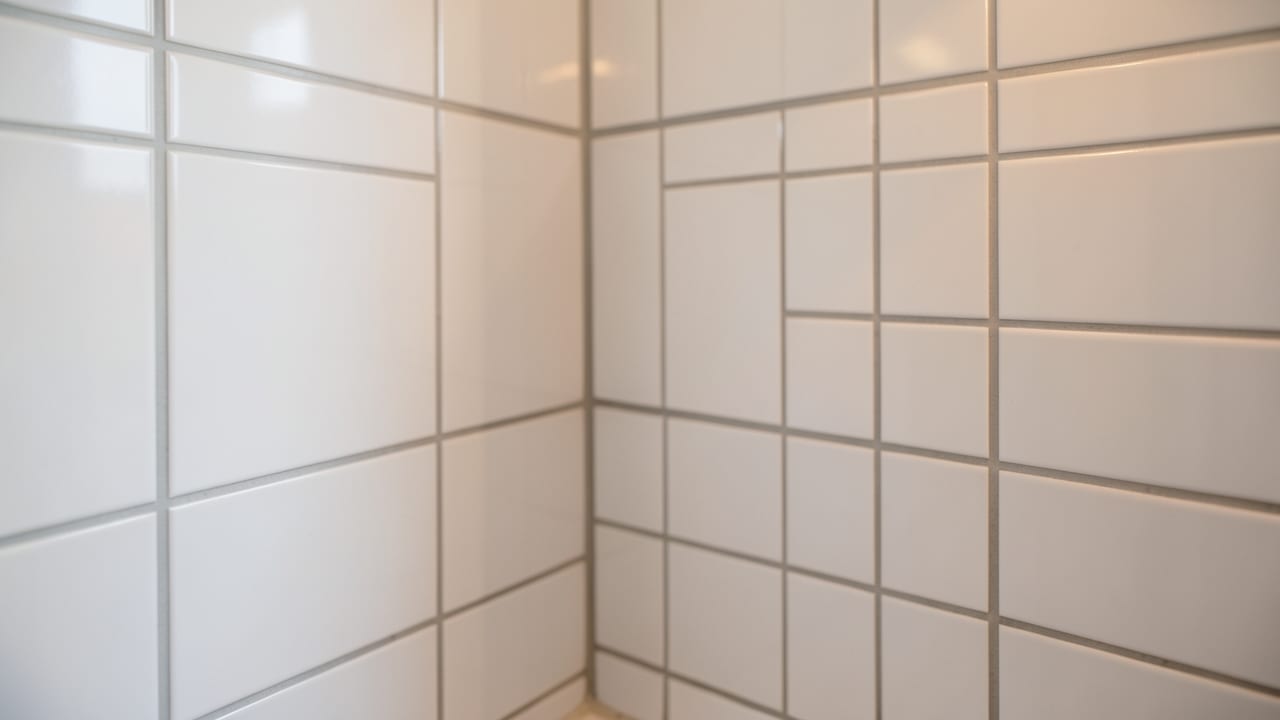
Bathroom Mold Removal
Professional assessment and removal of mold in bathrooms to restore a safe, clean environment.
Bathroom mold removal in Fort Lauderdale, FL targets hidden and visible mold growth in showers, walls, and under flooring, using containment, HEPA filtration, and structural drying to prevent regrowth.
Licensed remediators follow Florida’s strict protocols to safely eliminate mold and address moisture sources, ensuring long-term solutions for private homes in the area.
We also handle Condo Mold Remediation and Restaurant Mold Remediation for Fort Lauderdale properties.
When to call for professional removal
Mold in bathrooms often starts small but spreads quickly in damp conditions. If you notice mold covering more than a few square feet, returning after cleaning, or accompanied by a musty smell with no visible source, professional remediation is necessary.
Florida law treats mold growth exceeding 25 contiguous square feet as a job requiring a licensed contractor, ensuring safety and thoroughness.
Hidden mold—behind tiles, under flooring, or inside walls—requires specialized tools like moisture meters and thermal imaging to detect. Without proper removal, spores can linger, causing health issues and recurring growth. A professional assessment determines whether the problem is surface-level or structurally embedded.
Signs You Need Mold Removal
- Mold covers more than a small, isolated patch (over 25 sq. ft. in Florida).
- Visible mold keeps returning after cleaning, even with bleach or vinegar.
- A musty smell persists with no visible mold, especially when HVAC runs.
- You suspect hidden mold behind walls, under flooring, or inside ductwork.
What affects cost and timeline?
The scope of the mold problem drives pricing and duration. Surface-level mold on drywall or tile is less costly than hidden growth behind walls or under flooring, which may require demolition and structural drying. Confirmed black mold (Stachybotrys) typically increases costs by 15–25% due to stricter containment and disposal protocols.
Containment, HEPA air scrubbing, and clearance testing add to the upfront cost but prevent cross-contamination and ensure the job is fully resolved. Skipping these steps can lead to higher long-term expenses if mold spreads or returns.
Avoiding common mistakes
DIY cleaning often fails because it doesn’t address hidden mold or moisture sources. Using non-HEPA vacuums or air scrubbers recirculates spores, worsening contamination. Containment breaches—like torn plastic sheeting or open doors—allow spores to spread to unaffected areas, turning a small job into a larger one.
The most critical step after removal is fixing the moisture source. Leaks, poor ventilation, or grading issues left unaddressed will cause mold to return within months. Post-remediation, monitor humidity in the bathroom and use dehumidifiers or fans in persistently damp areas.
Avoid estimates that exclude containment, clearance testing, or a written scope of work. Verbal prices, pressure to sign during the inspection, or upfront full payment requests are warning signs of unreliable service.
How bathroom mold removal works
Professional remediation follows strict containment and safety protocols to eliminate mold safely.
- 1Containment Setup
Plastic sheeting and negative-air machines seal the workspace to prevent spores from spreading. Doors and vents are blocked, and HEPA air scrubbers run continuously to capture airborne particles.
- 2Removal of Contaminated Materials
Porous materials like drywall or insulation are cut out and bagged, while non-porous surfaces (tile, framing) are scrubbed and treated. All debris is disposed of according to local regulations.
- 3Structural Drying
Industrial dehumidifiers and air movers dry framing and subflooring to normal moisture levels, preventing regrowth. This step is critical in Florida’s humid climate.
- 4Clearance Testing
An independent lab tests air and surfaces post-remediation to confirm spore counts are within safe limits before containment is removed.
- 5Moisture Source Fix
The remediation team or a plumber/ventilation specialist addresses leaks, condensation, or grading issues to stop future mold growth.
Frequently asked questions
Can I clean small mold patches myself, or should I hire a professional?
Small, isolated patches (under 25 sq. ft.) can often be cleaned with detergent and water, but visible mold that keeps returning or hidden growth requires professional remediation. Florida law mandates licensed contractors for larger or recurring issues.
How long does bathroom mold removal take?
Surface-level mold typically takes 1–3 days, while hidden growth or structural involvement may require 3–7 days. Containment, drying, and clearance testing add time but ensure the job is fully resolved.
Will my insurance cover mold removal?
Most homeowners’ policies exclude mold unless it stems from a covered event like a burst pipe. Check your policy for exclusions and consider adding mold coverage if you’re in a high-risk area like Fort Lauderdale.
How do I prevent mold from coming back after remediation?
Fix leaks, improve ventilation with exhaust fans or dehumidifiers, and monitor humidity (keep it below 60%). Regularly inspect bathrooms for dampness or condensation, especially in windowless or poorly ventilated spaces.
Where Fort Lauderdale sits, and what the Census lists nearby
Fort Lauderdale sits in Florida, and the closest places listed in the U.S. Census Gazetteer are Lazy Lake (1 miles north), Wilton Manors (1.3 miles north), Franklin Park (1.9 miles west), Roosevelt Gardens (2.1 miles west).
Within 25 miles of Fort Lauderdale the same source lists 73 distinct incorporated places and census-designated places.
Those figures matter for bathroom mold removal because they are straight-line distances between Census coordinate points: road mileage between Fort Lauderdale and Lazy Lake runs longer than the 1 miles shown, which is why quotes for the same job differ between towns that look close together on a map.
Source: U.S. Census Bureau Gazetteer.
See Lauderhill, FL for more, or discover everything Fort Lauderdale homeowners can book with us by service type for our complete lineup.
Ready to get started?
Talk to a local mold remediation pro in Fort Lauderdale — get a written quote.
Other Mold Remediation Services in Fort Lauderdale
Condo Mold Remediation in Fort Lauderdale, FL
Professional removal and treatment of mold in condominiums to restore safe, healthy living spaces.
Learn More
Restaurant Mold Remediation in Fort Lauderdale, FL
Professional mold removal and remediation for restaurant spaces to ensure safety and compliance.
Learn More
Retail Store Mold Remediation in Fort Lauderdale, FL
Professional mold removal and remediation for retail stores to restore safe, clean environments.
Learn More
Clinic Mold Remediation in Fort Lauderdale, FL
Professional mold removal and remediation to restore safe, healthy indoor spaces.
Learn More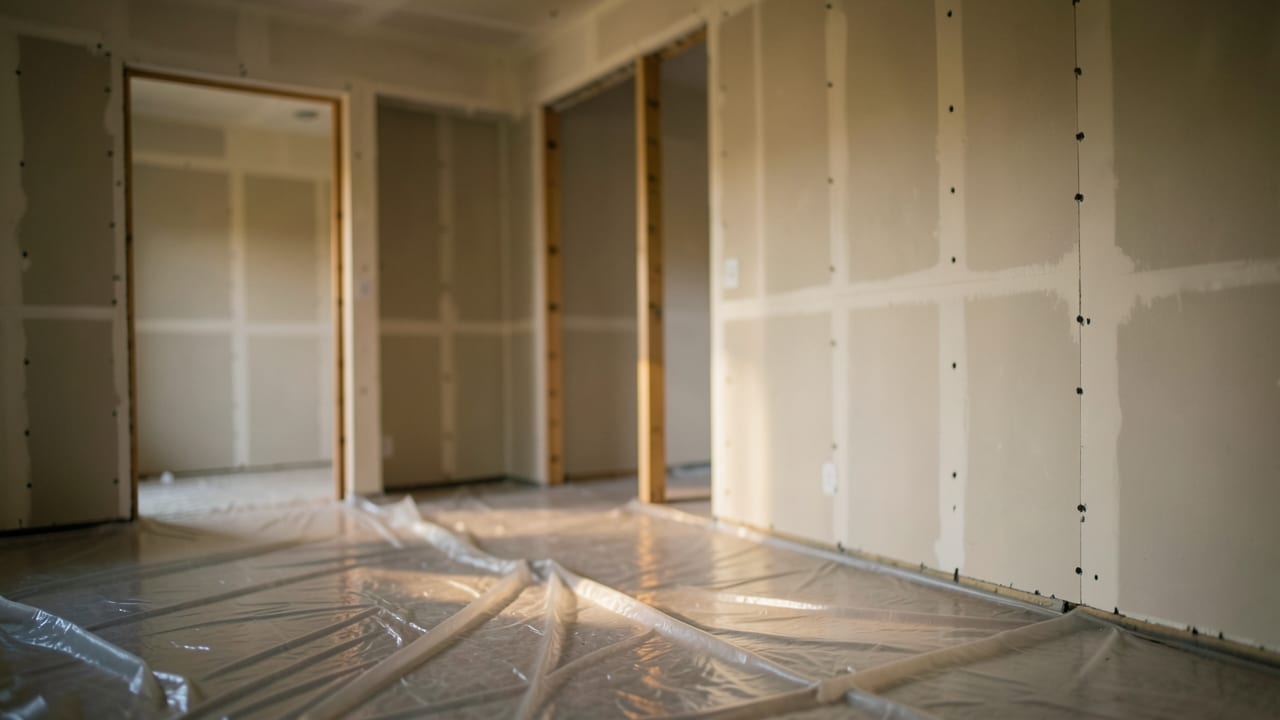
New Construction Mold Remediation in Fort Lauderdale, FL
Professional mold removal and prevention in newly built homes to ensure safe, clean living spaces.
Learn More
Hotel Mold Remediation in Fort Lauderdale, FL
Professional removal and treatment of mold growth in hotel properties to restore safe, clean environments.
Learn MoreCommon Questions About Mold Remediation in Fort Lauderdale
Everything you need to know about mold remediation services in Fort Lauderdale
How much does Bathroom Mold Removal typically cost in Fort Lauderdale, FL?
Why does Fort Lauderdale, FL's humidity make mold a bigger risk than in drier regions?
Can mold growing inside HVAC ductwork spread to the rest of a home?
Does mold mean the same thing as mildew?
Does homeowners insurance typically cover mold remediation?
Is black mold actually more dangerous than other mold types?
Need Mold Remediation in Fort Lauderdale?
Connect with local providers in Fort Lauderdale for a detailed quote.
⏰ We answer your call • Serving all of Fort Lauderdale and surrounding areas