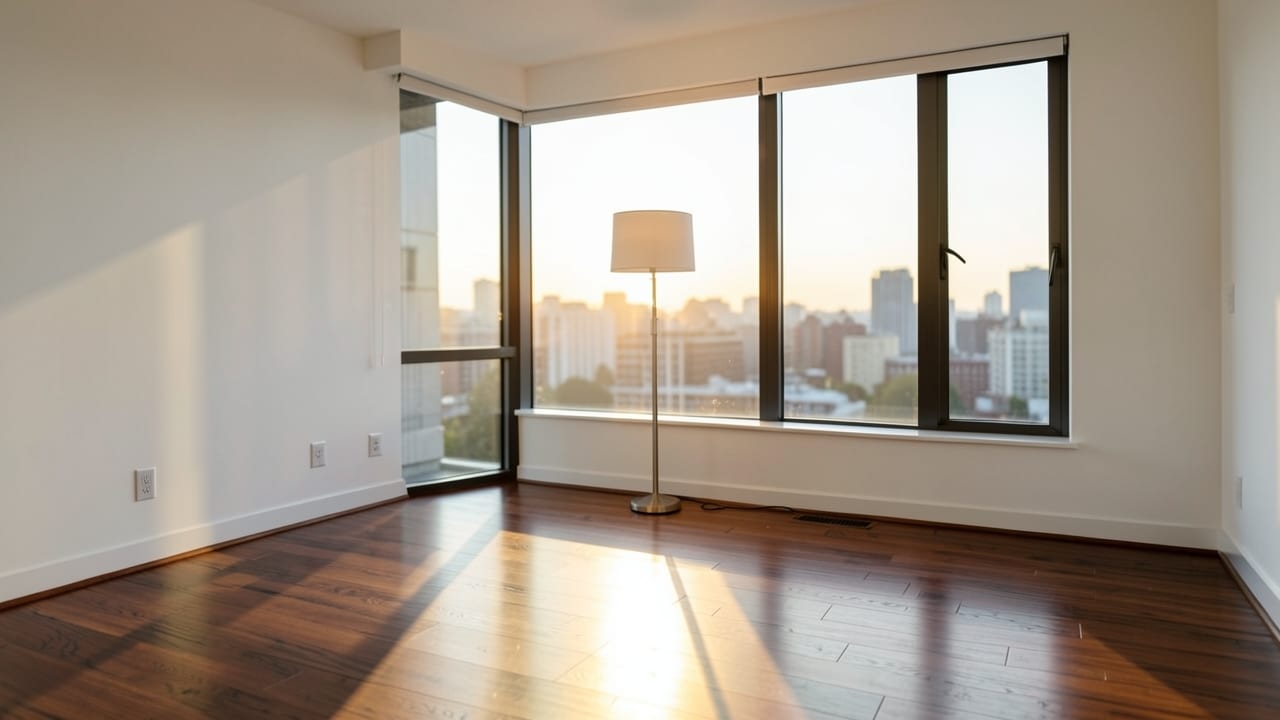
Condo Mold Remediation
Professional removal and treatment of mold in condominiums to restore safe, healthy living spaces.
Condo mold remediation in Fort Lauderdale, FL, addresses hidden or visible mold growth in shared or private units by containing the affected area, removing contaminated materials, and restoring moisture balance.
Florida’s humid climate and frequent rain create ideal conditions for mold, making prompt, professional remediation essential to prevent spread and recurrence. Proper containment, HEPA filtration, and moisture control are critical to ensuring the problem doesn’t return or worsen during the process.
We also handle Pet Urine Mold Treatment and Post-Remediation Sealing for Fort Lauderdale properties.
When to call for mold remediation
Mold in a condo often starts small but can quickly become a larger issue if ignored. Visible signs include patches larger than a few square feet, recurring growth after cleaning, or a musty odor with no visible source.
In Florida, mold covering 25 contiguous square feet or more typically requires professional remediation, as the growth has likely penetrated porous materials like drywall or insulation.
Hidden mold—behind walls, under flooring, or inside HVAC ducts—often reveals itself through persistent odors or health symptoms like sneezing or skin irritation. If mold keeps reappearing in the same spot, it usually means the underlying moisture source (like a leak or poor ventilation) hasn’t been addressed.
A professional assessment can pinpoint whether the issue is surface-level or structurally embedded.
Signs You Need Professional Mold Remediation
- Mold covers more than a small, isolated patch (especially 25+ square feet or larger).
- Growth returns within weeks after cleaning, indicating an unresolved moisture problem.
- A musty smell persists even after visible mold is removed, suggesting hidden growth.
- Health symptoms (sneezing, coughing, skin irritation) appear when in the affected area.
- Mold is found inside walls, under flooring, or near plumbing—areas DIY methods can’t reach.
What affects pricing and timeline?
The cost and duration of mold remediation depend on the size of the affected area, the type of materials involved, and whether hidden growth is discovered during the process.
Containment, HEPA filtration, and clearance testing add to the upfront cost but are necessary to ensure the job is done safely and effectively. Florida law also requires independent clearance testing to confirm the work is complete.
Complex jobs—such as those involving structural framing, subfloors, or HVAC ductwork—take longer and may require additional labor or specialized equipment. Pricing is rarely a flat rate; most professionals provide a quote after inspecting the site, as the scope can change once walls or flooring are opened.
Always ask for a written scope of work to avoid unexpected costs later.
Why containment and testing matter
During remediation, plastic sheeting and negative-air machines create a sealed containment zone to prevent mold spores from spreading to unaffected areas. Disturbing mold without containment risks turning a small job into a full-property infestation.
HEPA air scrubbers and vacuums are used to capture spores, as standard equipment recirculates them back into the air.
After removal, industrial dehumidifiers and air movers dry structural materials to prevent regrowth, and an independent clearance test confirms spore levels are back to normal. Skipping containment or testing increases the risk of hidden mold resurfacing, often within months.
Florida law prohibits the same company from assessing *and* remediating the same property within a year to avoid conflicts of interest.
A breach in containment—such as an open door or torn plastic—lets spores drift into clean areas, expanding the problem. Using non-HEPA equipment recirculates spores instead of capturing them, making the job less effective and potentially dangerous for occupants.
How condo mold remediation works
- 1Containment Setup
Plastic sheeting and negative-air machines seal the affected area to prevent spores from spreading during removal. All doors and vents are blocked, and HEPA air scrubbers run continuously to filter airborne particles.
- 2Material Removal and Cleaning
Porous materials (drywall, insulation, carpet padding) saturated with mold are cut out and bagged. Non-porous surfaces (framing, tile) are scrubbed with antimicrobial solutions and HEPA-vacuumed to remove spores.
- 3Structural Drying
Industrial dehumidifiers and air movers dry framing and subfloors to safe moisture levels (below 60% relative humidity) to prevent mold regrowth. This step is critical even after visible mold is gone.
- 4Clearance Testing
An independent lab tests air or surface samples post-remediation to confirm spore counts are within normal ranges. Results determine whether containment can be removed and the area is safe to reoccupy.
- 5Moisture Source Resolution
The root cause (leaks, poor ventilation, grading issues) is identified and fixed to stop future growth. Stagnant areas (closets, windowless bathrooms) may need fans or dehumidifiers long-term.
Frequently asked questions
Can I clean small mold patches myself, or should I call a professional?
Surface mold covering less than 10 square feet can often be cleaned with detergent, water, and a HEPA vacuum. However, if the mold is on porous materials (like drywall) or keeps returning, professional remediation is needed to address hidden growth and moisture sources.
How long does the remediation process usually take?
Simple jobs (isolated patches) may take 1–3 days, while complex ones (hidden growth, structural framing) can require 5–10 days or longer. Containment, drying, and clearance testing add time but ensure the problem is fully resolved.
Will my condo insurance cover mold remediation?
Most policies cover sudden water damage (like burst pipes) but exclude pre-existing mold or gradual leaks. Review your policy or contact your insurer to confirm coverage—documenting the moisture source (e.g., leak repairs) strengthens a claim.
How do I know if the remediation was successful?
A post-remediation clearance test by an independent lab confirms spore levels are back to normal. Without this, there’s no way to verify the job was fully effective. Florida law requires this step for licensed remediation work.
Where Fort Lauderdale sits, and what the Census lists nearby
Fort Lauderdale sits in Florida, and the closest places listed in the U.S. Census Gazetteer are Lazy Lake (1 miles north), Wilton Manors (1.3 miles north), Franklin Park (1.9 miles west), Roosevelt Gardens (2.1 miles west).
Within 25 miles of Fort Lauderdale the same source lists 73 distinct incorporated places and census-designated places.
Those figures matter for condo mold remediation because they are straight-line distances between Census coordinate points: road mileage between Fort Lauderdale and Lazy Lake runs longer than the 1 miles shown, which is why quotes for the same job differ between towns that look close together on a map.
Source: U.S. Census Bureau Gazetteer.
See West Park, FL for more, or explore what we cover for Fort Lauderdale properties from start to finish for our complete lineup.
Ready to get started?
Talk to a local mold remediation pro in Fort Lauderdale — get a written quote.
Other Mold Remediation Services in Fort Lauderdale
Pet Urine Mold Treatment in Fort Lauderdale, FL
Professional removal of mold caused by pet urine in homes, including assessment and treatment.
Learn More
Post-Remediation Sealing in Fort Lauderdale, FL
Applying protective sealants to surfaces after mold remediation to prevent future growth.
Learn More
Mold Inspection in Fort Lauderdale, FL
Mold inspection in Fort Lauderdale, FL — a visual and moisture-meter assessment that finds the source of growth, not just the visible spot on the wall.
Learn More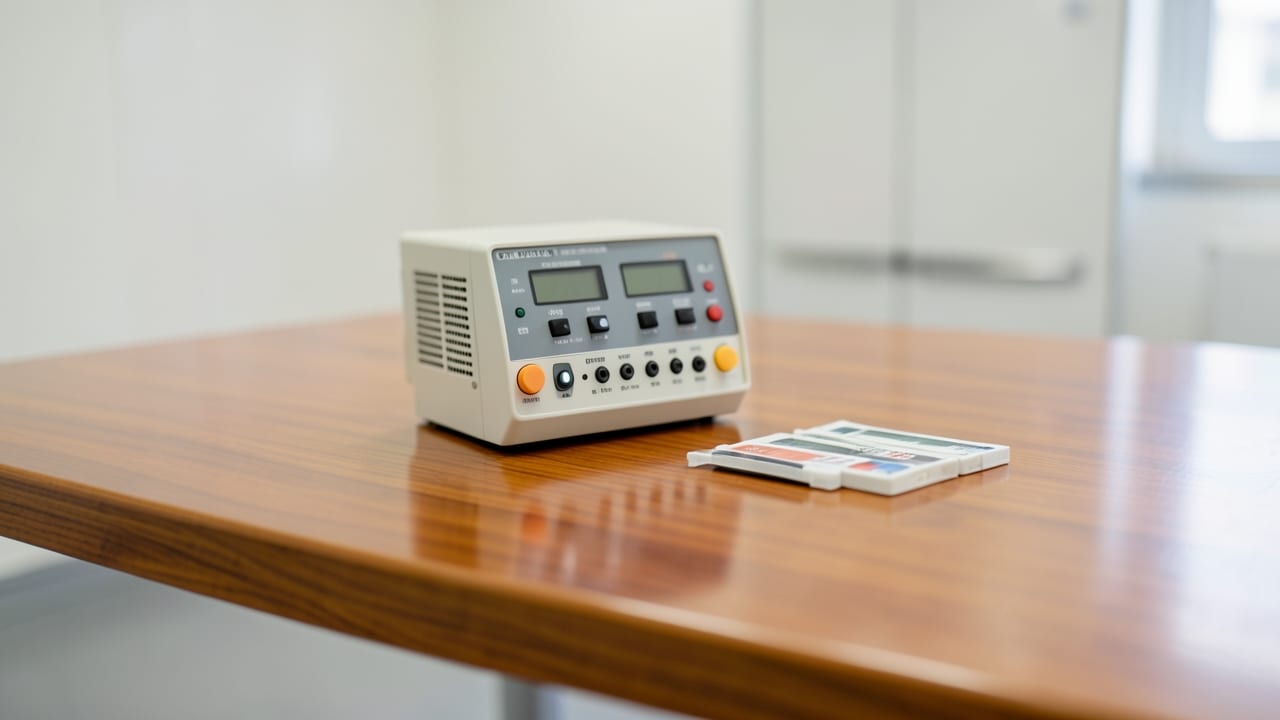
Mold Testing & Air Quality Testing in Fort Lauderdale, FL
Mold and indoor air quality testing in Fort Lauderdale, FL — lab-analyzed air and surface samples confirm what's actually growing and whether it's airborne.
Learn More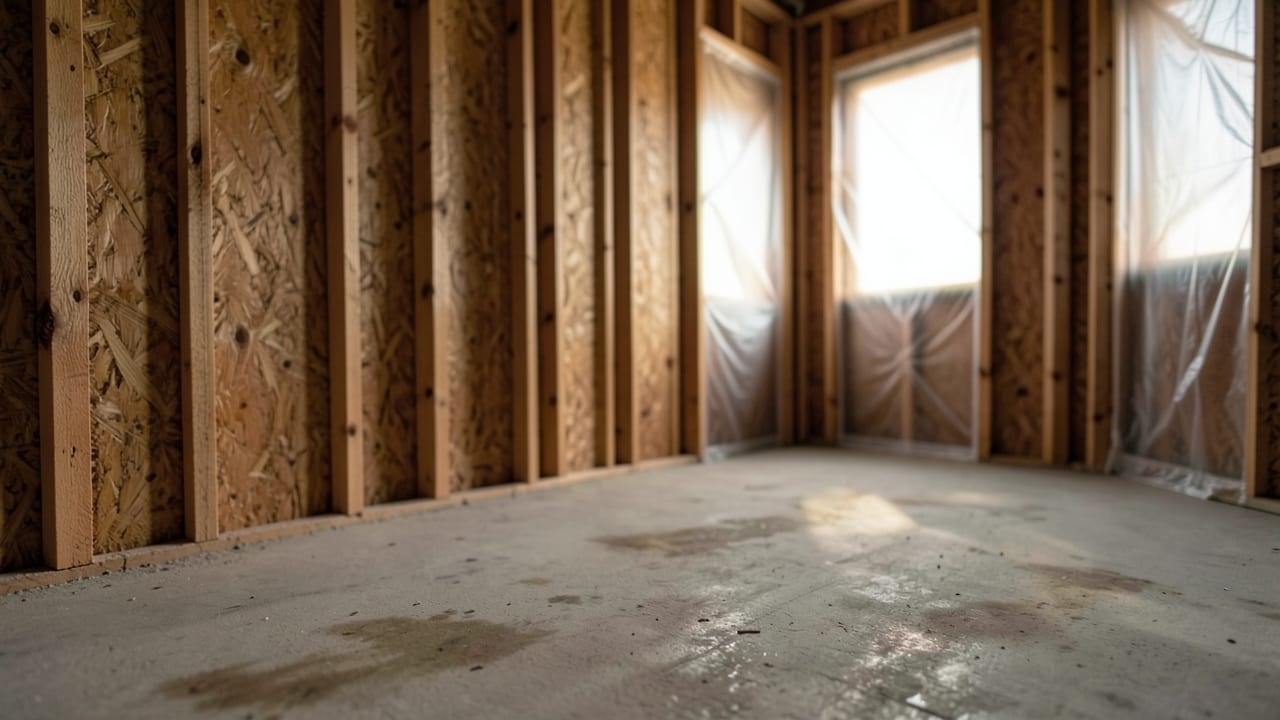
Mold Removal & Remediation in Fort Lauderdale, FL
Mold removal and remediation in Fort Lauderdale, FL — containment, HEPA filtration, and removal of affected material following industry (IICRC S520) protocol.
Learn More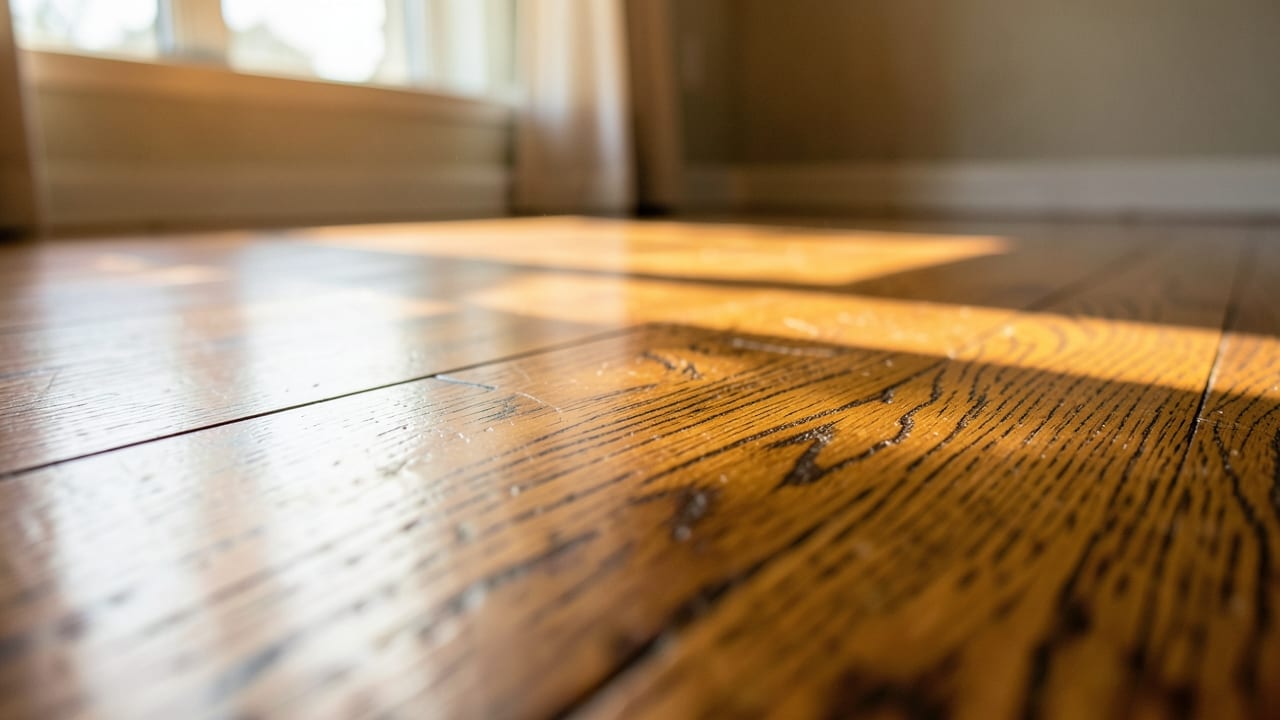
Water Damage Restoration in Fort Lauderdale, FL
Water damage restoration in Fort Lauderdale, FL — extraction and structural drying to stop mold growth before it starts, following a leak, storm, or flood.
Learn MoreCommon Questions About Mold Remediation in Fort Lauderdale
Everything you need to know about mold remediation services in Fort Lauderdale
How much does Condo Mold Remediation typically cost in Fort Lauderdale, FL?
Why does Fort Lauderdale, FL's humidity make mold a bigger risk than in drier regions?
Does homeowners insurance typically cover mold remediation?
Is black mold actually more dangerous than other mold types?
How long does a typical mold remediation job take?
Is it safe to stay in the home during mold remediation?
Need Mold Remediation in Fort Lauderdale?
Connect with local providers in Fort Lauderdale for a detailed quote.
⏰ We answer your call • Serving all of Fort Lauderdale and surrounding areas